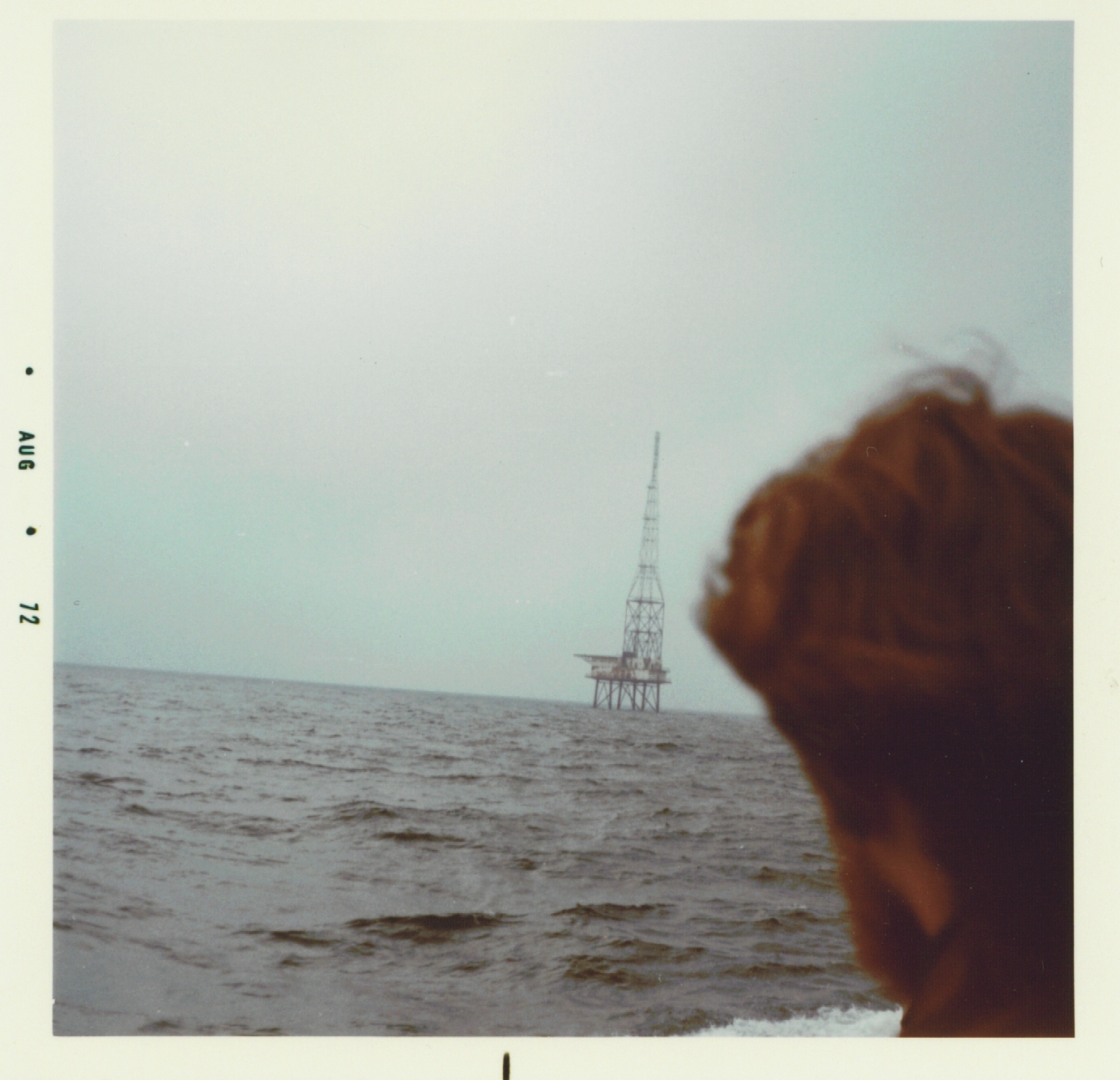
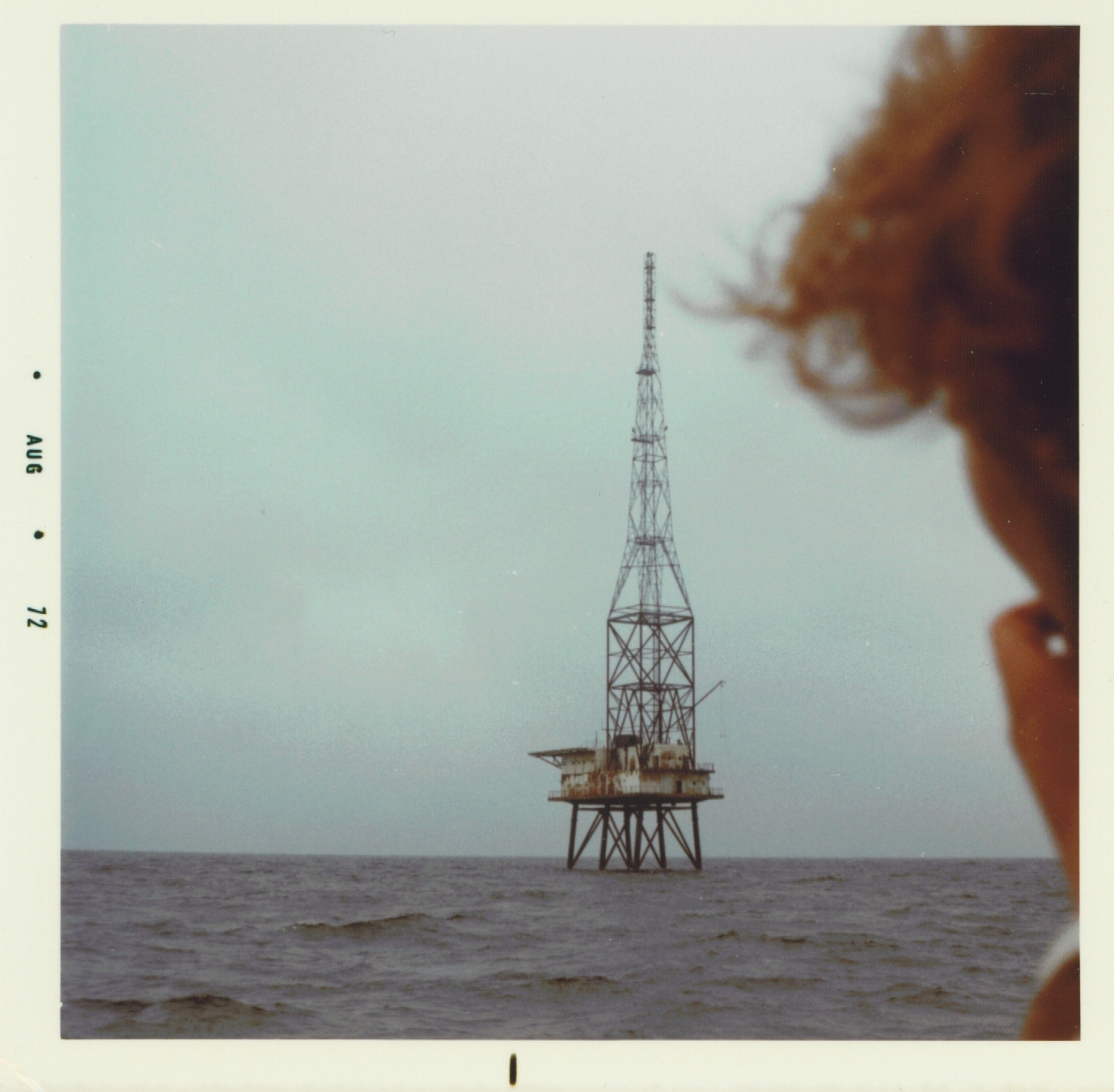
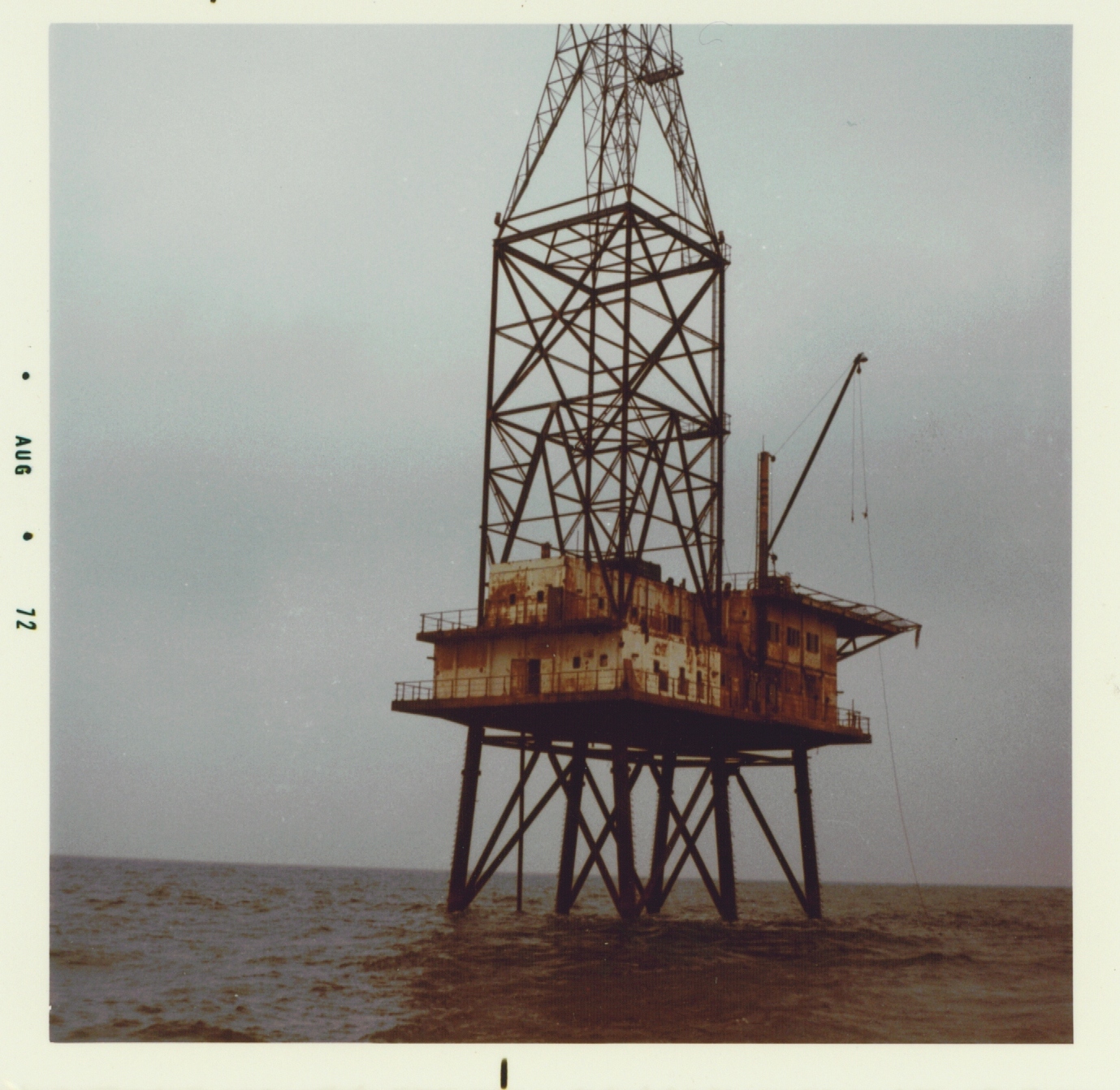
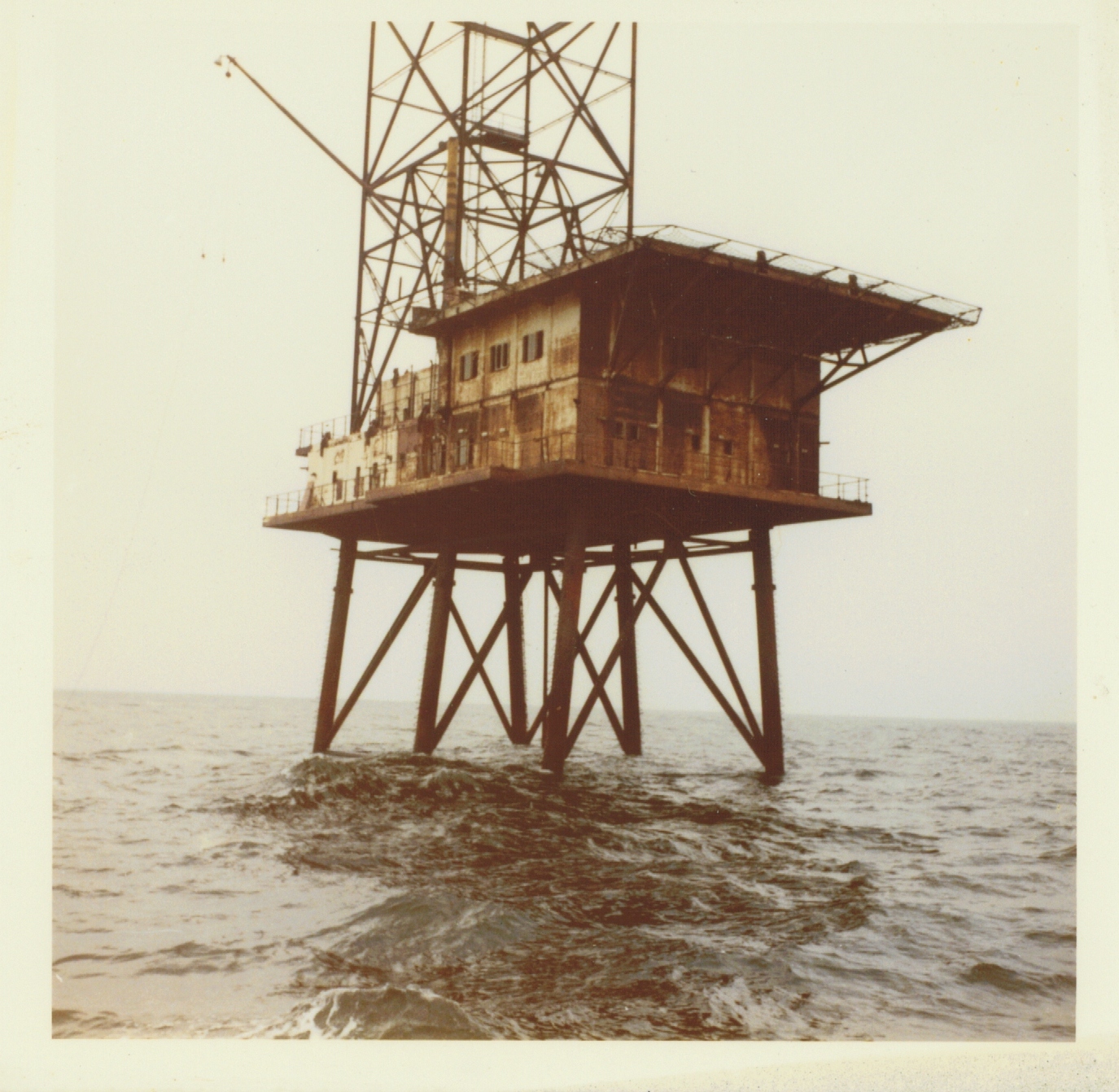
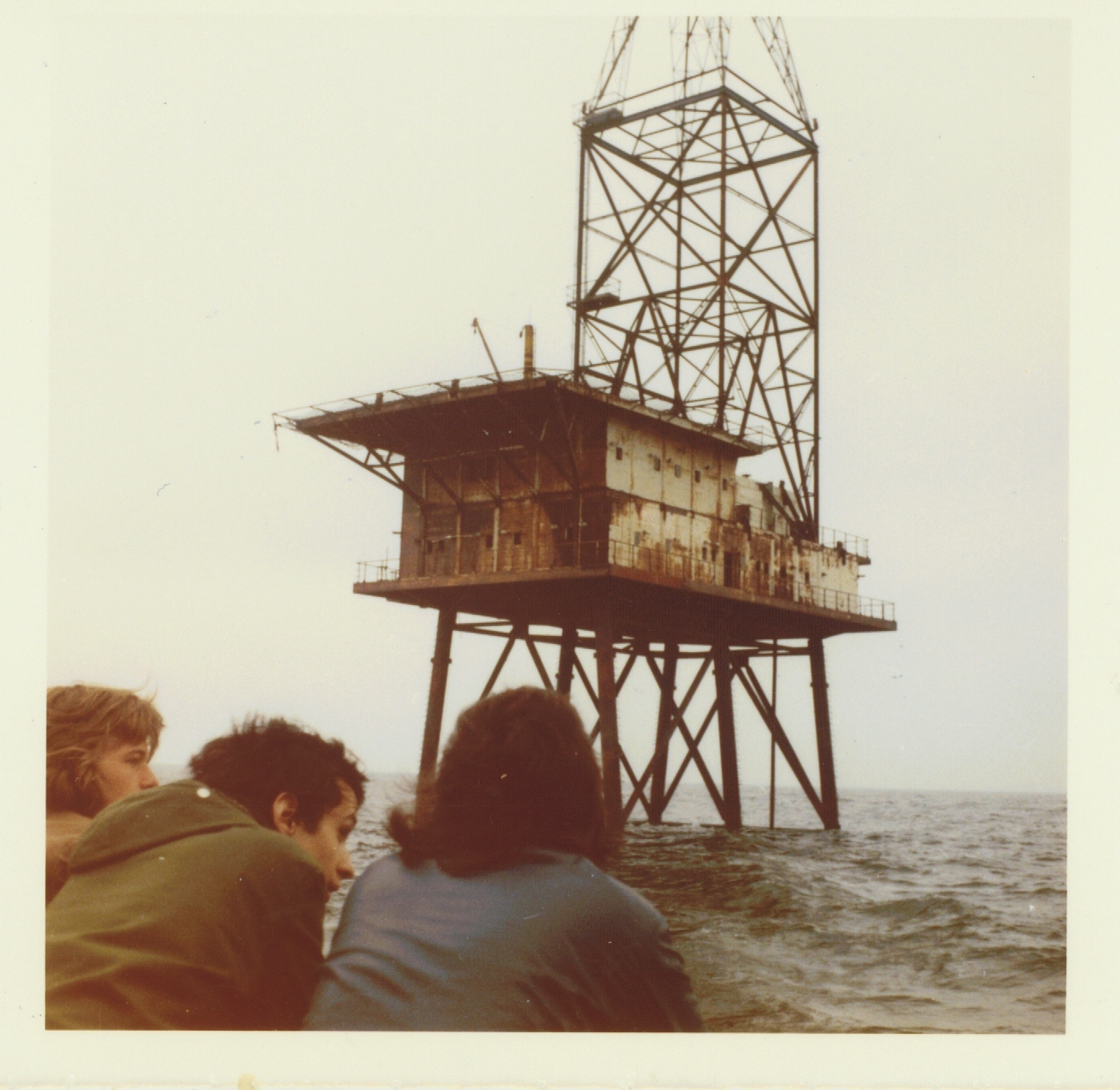
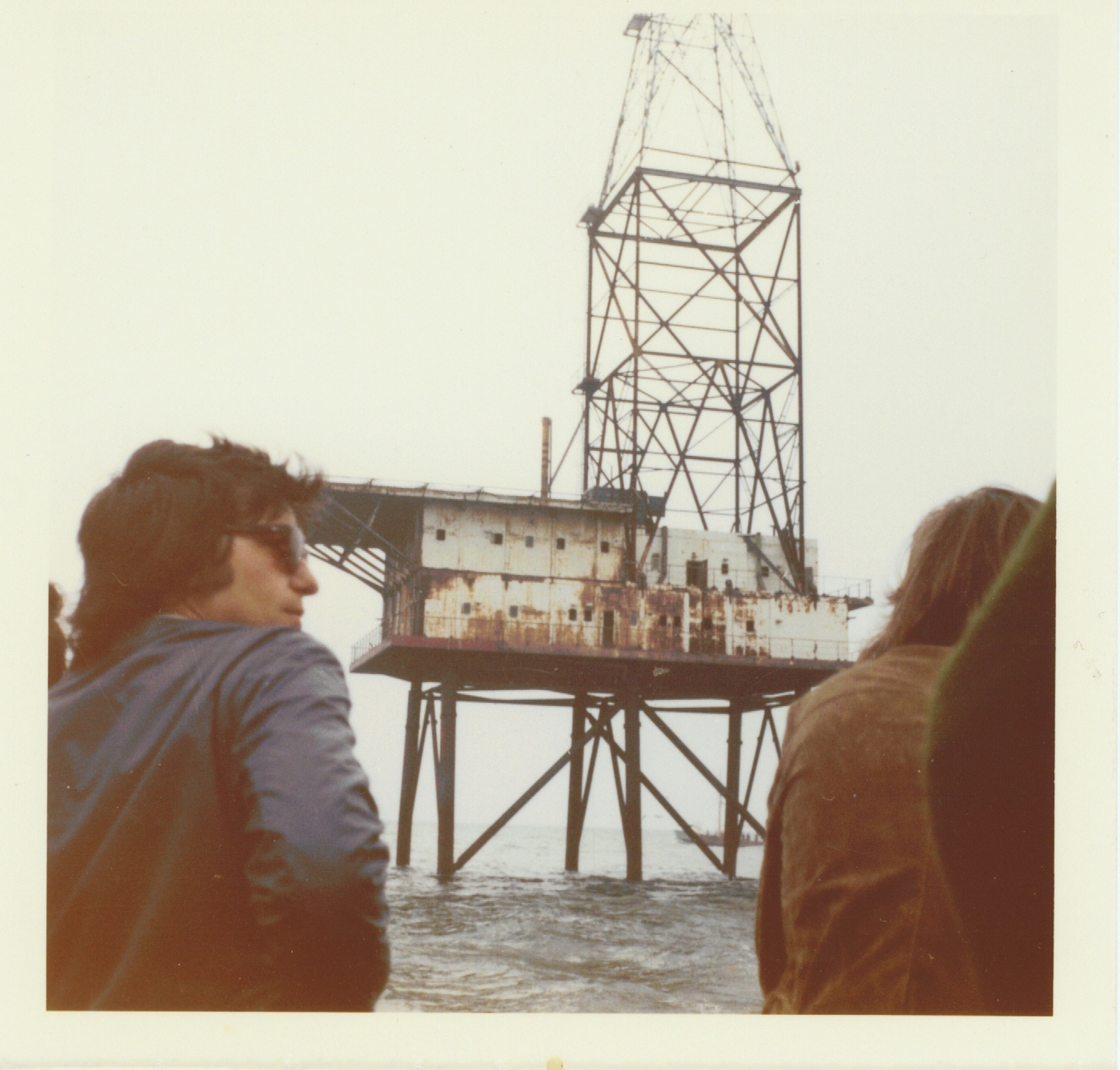
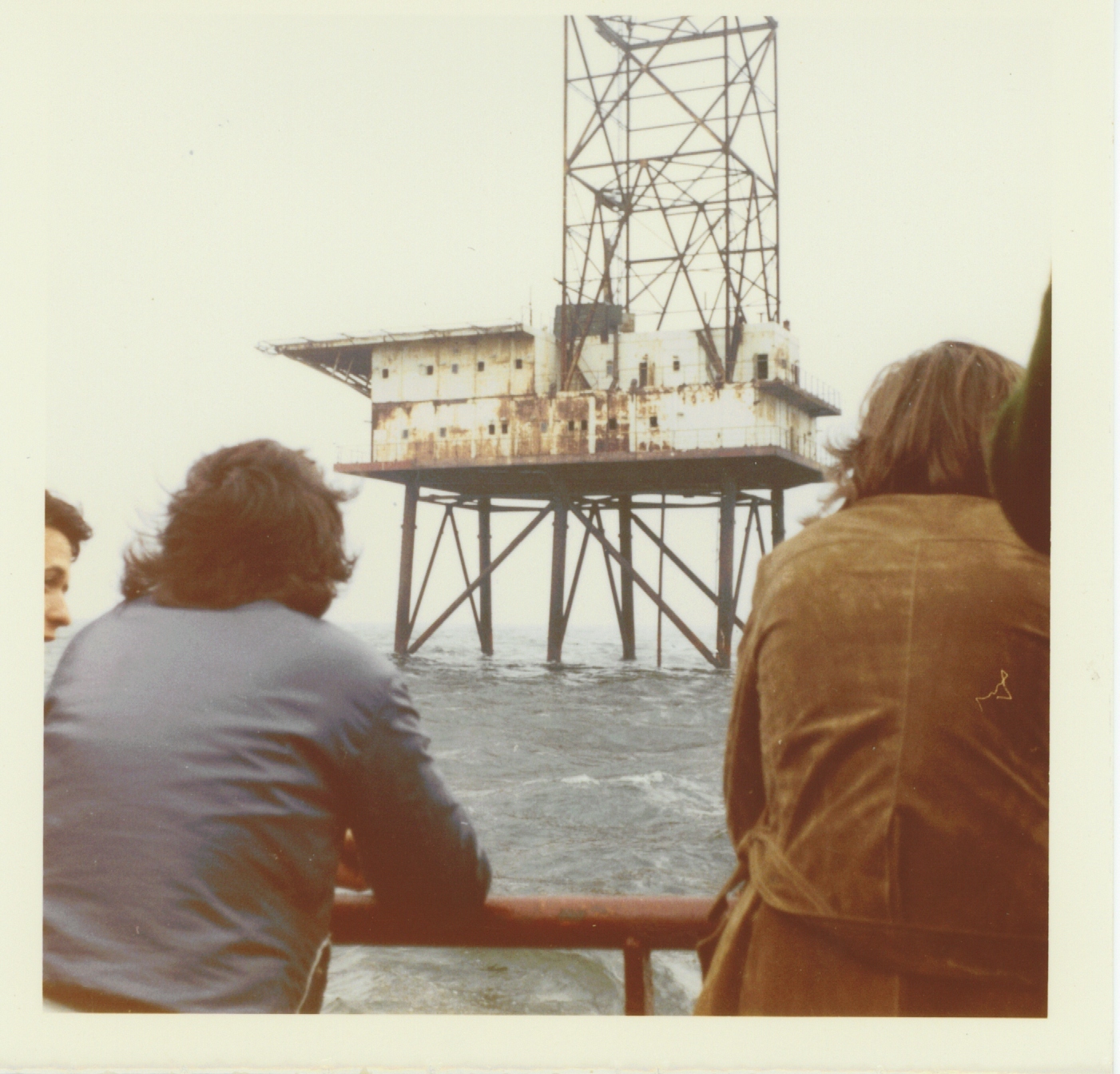
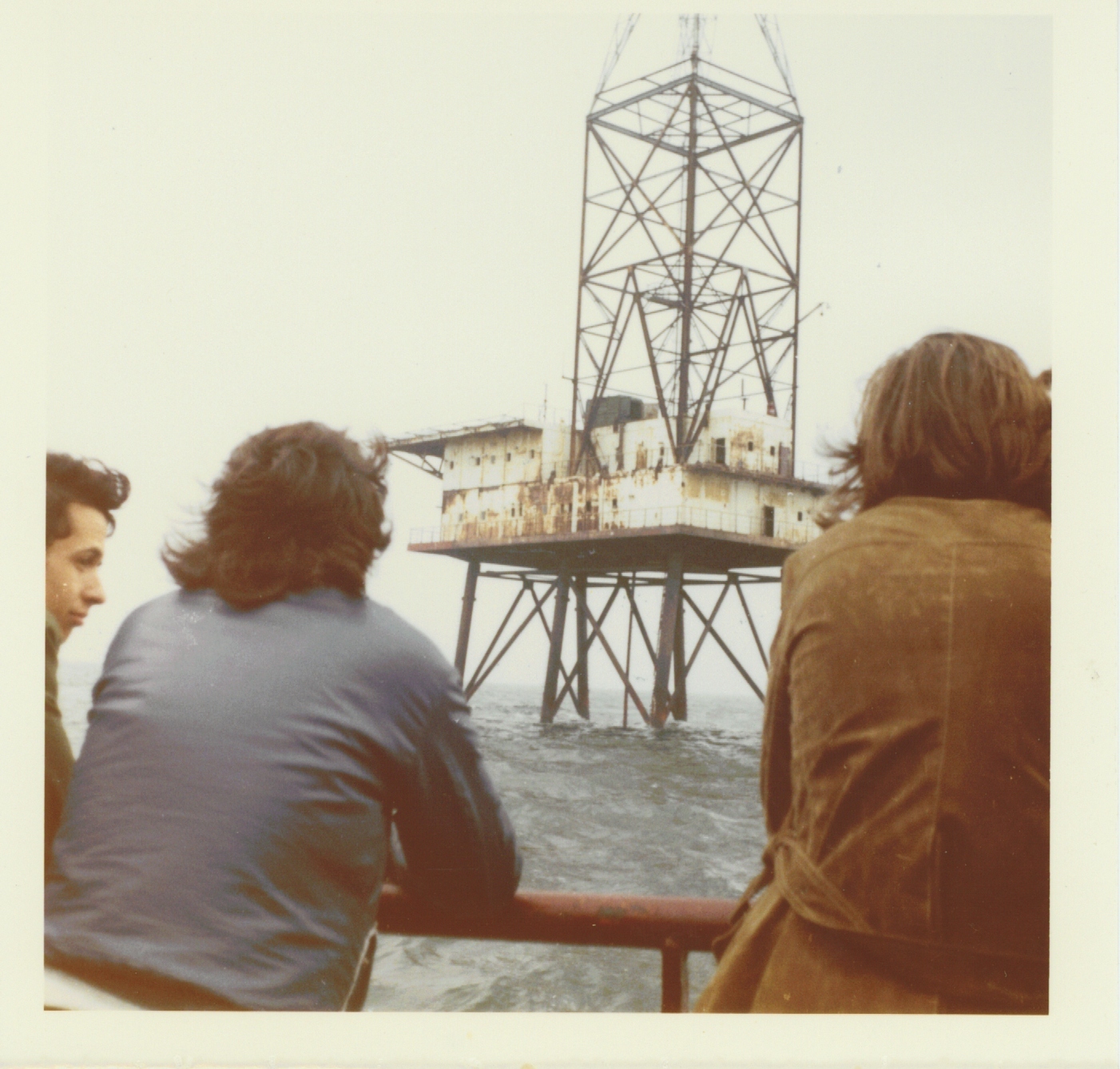
If you were living in England in the mid-1960s and listening to music radio, then you’ll almost certainly remember 266 Radio London or Big-L as it was nick-named. In its short life from December 1964 to August 1967 Big-L, broadcasting from the m/v Galaxy just outside UK territorial waters, was Britain’s most profitable commercial radio station thanks to its Top-40 format combined with DJs, catchy PAMS jingles, regular news and weather reports and reverb/echo on the transmitter. And millions of listeners.
50 years after Radio London’s closure, the station is still remembered by many probably because of its unique style. Nothing quite like it exists today although many have tried to emulate the Big-L sound. But there is a radio station today that I believe comes reasonably close. Unlike the Big-L, WLNG isn’t located on a ship but it’s certainly close to sea-water as its studios are in Sag Harbour, right on the coast of Eastern Long Island, New York.
Although WLNG started in 1963 on AM they added FM in 1969 and since selling their AM channel in 1996 they’ve been entirely on 92.1 FM and additionally can be heard everywhere online. Their program format is Oldies and over the years they’ve earned a reputation as a throwback to earlier days because of their frequent jingles, constant reverb/echo, many outside broadcasts from local events and even a reluctance to embrace Stereo — in fact they stayed with monaural broadcasts until 2011.
And then there’s the station’s obsession with retro jingles. WLNG claim to have as many as 2000 of them mostly from PAMS and you can actually see the jingle cartridges lining the studio walls on their studio webcam. This jingle junkie addiction is best summed up in the words of Paul Sydney, WLNG’s President and General Manager from 1964 until his death in 2009: “We’re the only station that when we say ‘Here comes fourteen in a row’ we’re not talking about records.”
So what’s the secret to WLNG’s enduring success? In 1998, which was the station’s 35th anniversary and Paul Sidney’s 34th year there, he stated: “The key to staying around for 35 years is pretty simple: Be local, in news, sound and music.”
And WLNG certainly is local. Listen to the station and you’ll rarely hear an ad which isn’t for a local business or service. But I think there’s an additional ingredient for their continuing success… WLNG is owned and operated by the people who actually run the station, starting with their General Manager/President and chief DJ, Gary Sapiane.
So is WLNG a replacement for the Big-L? No, I don’t think so. But if you love oldies and especially if you love the old PAMS jingles, WLNG is well worth a listen.
If, like me, you are located in Europe, then I recommend listening during morning hours which equates to WLNG’s overnight show with Al Case or Bill Thomas running from midnight to 6 a.m. Eastern Standard Time. At that time there are fewer ads and more music. You can see WLNG’s programme schedule. And to listen now, just click the “Listen Live” button at WLNG.com.